Comedy Segment Sparks Political Ripples as Satirists Skewer Hegseth, Patel and White House Turmoil
NEW YORK — A recent episode of The Daily Show ignited widespread discussion across political and media circles after host Desi Lydic delivered a sharp, fast-moving satirical monologue lampooning the Trump administration, senior defense officials and mounting controversies surrounding alleged military actions in the Caribbean. Though the segment was comedic in tone, it tapped directly into an active political storm involving Defense Secretary Pete Hegseth, FBI Director Kash Patel, and ongoing questions about the administration’s management of military authority.
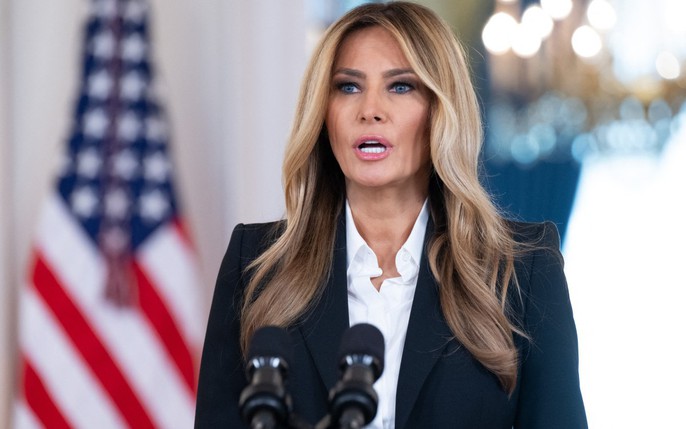
Lydic opened the episode with a broad critique of what she described as a “chaotic year” inside the White House, juxtaposing holiday decorations unveiled by First Lady Melania Trump with reports of internal disarray. The comedic contrast between festive imagery and political turmoil became a framing device, highlighting the gulf between the administration’s public messaging and the policy controversies unfolding behind the scenes.
But the most pointed commentary targeted Mr. Hegseth, whose leadership has come under heightened scrutiny following allegations — still under investigation — that he approved or encouraged a drone strike on a suspected drug-smuggling vessel and a subsequent strike on survivors. Legislators from both parties have described the claims as serious, with several warning that the actions, if confirmed, could constitute violations of international law.
The program amplified those concerns through satire, portraying Mr. Hegseth as deflecting responsibility onto Adm. Mitch Bradley, a senior naval officer who reportedly oversaw the mission. The segment mocked the secretary’s public defense of the admiral as an attempt to shift blame while maintaining plausible deniability. “Blaming someone by pretending to praise them,” Lydic said, framing the incident as emblematic of longstanding accountability problems within the administration.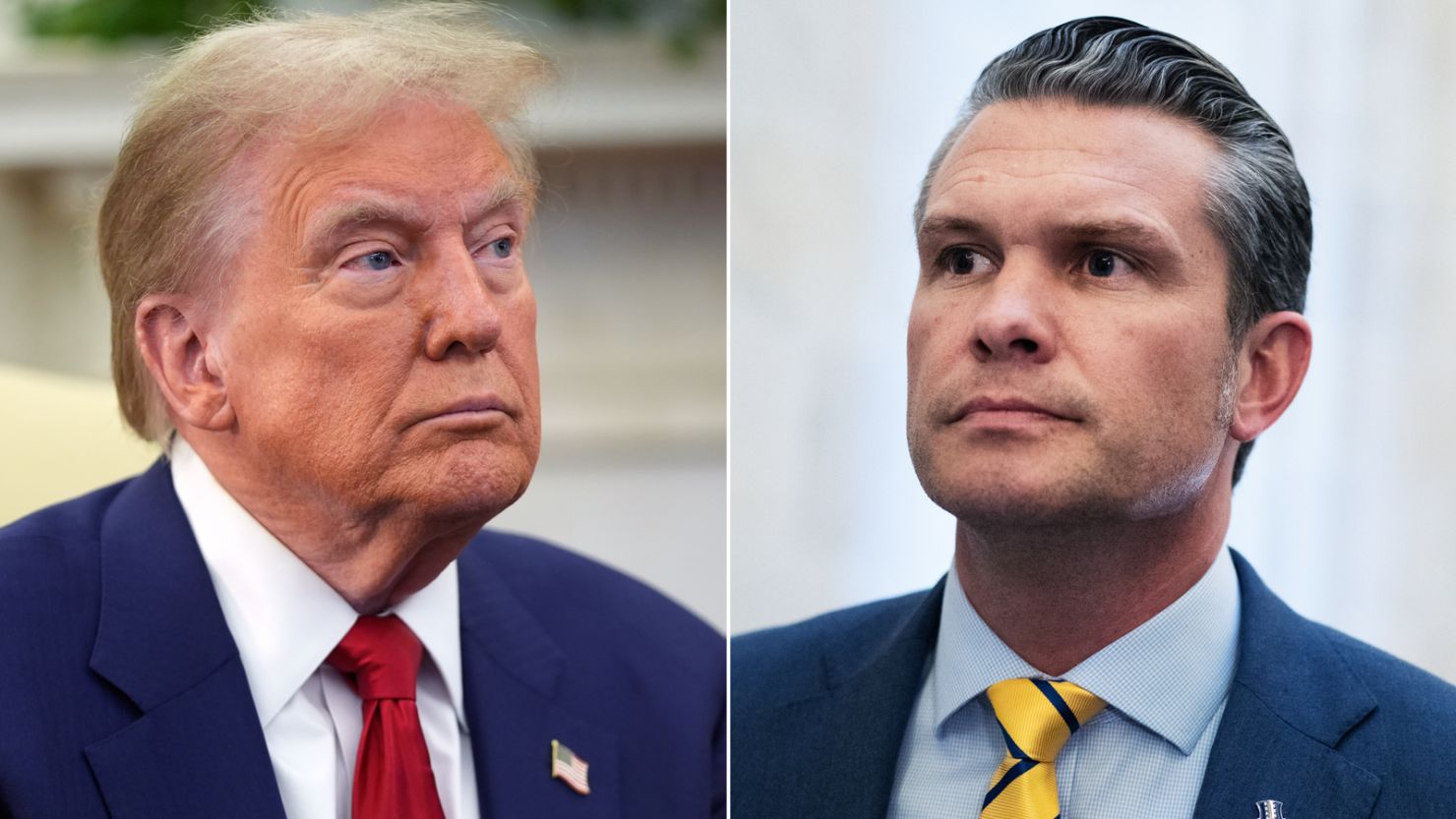
A parallel storyline targeted FBI Director Patel, referencing reports that he insisted on wearing a specific FBI raid jacket during a high-profile response mission. The episode described the moment with exaggerated comedic flair — portraying agents scrambling to find Velcro patches and sizing adjustments — but connected the humor to concerns about leadership priorities during an ongoing national security crisis.
Political analysts noted that the segment, despite its irreverent style, underscored growing unease inside Washington as lawmakers assess the widening fallout from recent military and intelligence decisions. Satirical news programs, they said, often function as barometers for shifting public sentiment, distilling complex controversies into digestible storylines that can shape broader perceptions.
The episode closed with correspondent Jordan Klepper delivering an extended bit from the Pentagon, lampooning the administration’s alleged attempts to redirect blame across an increasingly improbable chain of military officers. The routine culminated in a gag about a fictional “101st Scapegoat Brigade,” positioning the sketch as a commentary on the administration’s internal culture rather than a literal critique of military operations.
While the administration did not respond to requests for comment regarding the segment, aides have previously dismissed similar portrayals as partisan entertainment. Still, the episode circulated widely on social media, drawing millions of views within hours and prompting renewed questions about the political liabilities facing Mr. Hegseth and other senior officials.
With congressional inquiries underway and public scrutiny intensifying, the satire — while comedic — reflected real concerns. And in Washington, it further signaled that the controversies confronting the administration have moved firmly into the cultural mainstream.